Book Appointment Now

Understanding Cannabis and Its Connection to Psychosis from a Psychiatrist’s Perspective
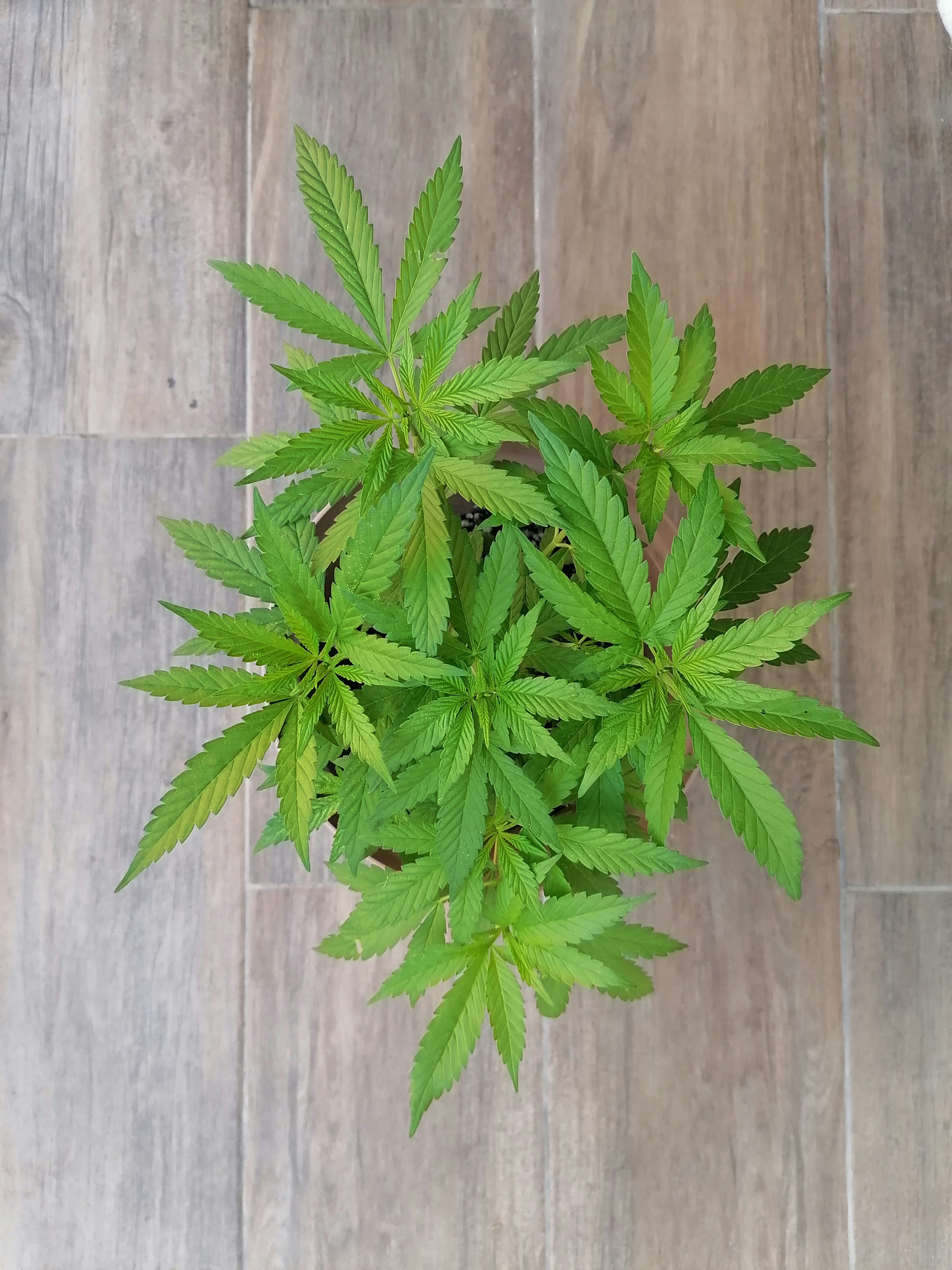
The Basics of Cannabis: Understanding Its Composition and Effects
Cannabis, a plant belonging to the Cannabaceae family, has been utilized for centuries for its various effects, ranging from recreational to medicinal. Naturally occurring in various forms, cannabis encompasses several strains, primarily categorized into two main types: Cannabis sativa and Cannabis indica. Each strain possesses distinct chemical compositions that influence its psychoactive and physiological effects on the human body.
The two primary compounds within cannabis are tetrahydrocannabinol (THC) and cannabidiol (CBD). THC is the primary psychoactive component that is responsible for the euphoric high most commonly associated with cannabis use. It interacts with specific receptors in the brain, leading to alterations in mood, perception, and memory. Conversely, CBD is non-psychoactive and has gained recognition for its potential therapeutic benefits, including pain relief, anxiety reduction, and anti-inflammatory properties. Other cannabinoids found in cannabis, such as cannabinol (CBN) and cannabigerol (CBG), are also being explored for their unique biological effects.
The immediate effects of cannabis use can include relaxation, heightened sensory perception, and an altered sense of time. However, some users may experience adverse effects, such as anxiety, paranoia, or impaired memory. Long-term consumption can lead to dependency and may exacerbate underlying mental health conditions, particularly in vulnerable populations.
Historically, cannabis has been used in various cultures for medicinal and spiritual purposes. In contemporary society, its legal status varies significantly around the globe. In regions such as Mumbai, India, cannabis remains illegal despite its traditional use, which presents challenges for both users and healthcare providers. Understanding the composition and effects of cannabis is essential for navigating its potential benefits and risks in both therapeutic contexts and recreational settings.
Psychosis: What It Is and How It Affects Individuals
Psychosis is a mental health condition characterized by a disconnection from reality. Individuals experiencing psychosis may exhibit symptoms such as hallucinations, where they perceive things that are not present, and delusions, which are firmly held false beliefs. Additionally, disorganized thinking can affect their ability to communicate effectively, leading to confusion and difficulty in establishing coherent thoughts. The manifestation of these symptoms can vary greatly among individuals, often contributing to a significant impact on their daily lives.
The causes of psychosis are multifaceted. Mental health disorders, such as schizophrenia and bipolar disorder, are among the primary contributors. These conditions can influence brain chemistry and affect perception and cognition. Substance use is another significant factor. The consumption of drugs, particularly cannabis, hallucinogens, and stimulants, can precipitate psychotic episodes or exacerbate existing symptoms in vulnerable individuals. Moreover, stress and trauma can also trigger psychotic experiences, highlighting the importance of addressing environmental influences in the development of this condition.
Genetics play a critical role in understanding susceptibility to psychosis. Research suggests that individuals with a family history of psychotic disorders have an increased risk of developing similar conditions themselves, underscoring the biological underpinnings of psychosis. Therefore, identifying genetic predispositions can help in early detection and intervention efforts.
Early diagnosis and appropriate treatment are vital for individuals living with psychosis. Interventions may include antipsychotic medications, psychotherapy, and support services tailored to an individual’s needs. By humanizing the experiences of those affected by psychosis, society can foster a better understanding of this condition, reduce stigma, and promote compassionate treatment for affected individuals.
The Link Between Cannabis Use and Psychosis: Insights from Psychiatry
The emerging body of research suggests a concerning relationship between cannabis use and the onset as well as exacerbation of psychotic symptoms. Various studies have indicated that individuals who consume cannabis, particularly those with a predisposition to mental health disorders, are at an increased risk for developing psychotic episodes. This relationship becomes more pronounced when considering factors such as the potency of the cannabis used, the frequency of consumption, and the age at which an individual begins using the substance.
One significant factor influencing the potential link between cannabis and psychosis is the level of THC (tetrahydrocannabinol) relative to CBD (cannabidiol) in the cannabis product consumed. High-THC strains are more likely to be associated with acute psychotic symptoms, whereas CBD is generally considered to have antipsychotic properties. Consequently, individuals using cannabis with elevated THC levels may experience heightened symptoms of paranoia and hallucinations. Furthermore, young users—particularly those under the age of 25—appear to be more vulnerable due to ongoing brain development during this period, which may be disrupted by cannabis use.
Case studies from mental health professionals further elucidate this link. For instance, a psychiatrist might recount a patient whose first episode of psychosis coincided with the regular use of high-THC cannabis from a young age. This anecdote highlights the importance of monitoring cannabis consumption patterns, particularly in vulnerable populations. Ultimately, the intricate interplay between individual susceptibility and cannabis characteristics underscores the need for rigorous research and awareness surrounding cannabis use and its potential impact on mental health. Psychiatrists increasingly advocate for informed discussions about the implications of cannabis consumption, especially for individuals with a family history of psychosis or those experiencing early signs of mental health disturbances.
Seeking Help: The Role of Psychiatric Professionals in Managing Cannabis-Related Psychosis
Individuals experiencing cannabis-related psychosis can benefit significantly from the expertise of psychiatric professionals. Psychiatrists and deaddiction specialists play a crucial role in diagnosing and managing this complex condition. Upon an initial assessment, these professionals will evaluate the patient’s psychological state, compounding factors such as pre-existing mental health disorders, substance use history, and environmental stressors. This comprehensive assessment is essential in crafting personalized treatment plans that suit the unique needs of each individual.
Effective management of cannabis-induced psychosis may include a combination of therapy, medication, lifestyle modifications, and participation in support groups. Evidence-based psychotherapy approaches such as cognitive behavioral therapy (CBT) can be particularly beneficial in helping individuals confront their thoughts and behaviors related to cannabis use. Meanwhile, medications may be prescribed to alleviate symptoms of psychosis and stabilize mood. Lifestyle modifications, including regular exercise and mindfulness practices, can also enhance overall mental health and facilitate recovery.
In Mumbai, several resources are available for individuals seeking assistance with cannabis-related psychosis. Renowned psychiatrists and addiction specialists can be found across various hospitals and private clinics. Facilities that prioritize evidence-based treatments ensure patients receive comprehensive care. It is crucial for individuals to look for practitioners who emphasize education about cannabis and mental health to promote greater understanding and prevent future issues.
Finally, raising awareness about cannabis and its potential mental health impacts is essential. Through education, people can better understand the risks associated with cannabis use, particularly as it relates to the onset of psychotic disorders. By fostering a well-informed community, the stigma surrounding mental health issues may be reduced, encouraging more individuals to seek help promptly and ultimately leading to better health outcomes.