Book Appointment Now
Best Psychiatrist for Alcohol De-addiction in Mumbai — Dr. Pavan Sonar
Alcohol De-addiction Psychiatrist in Mumbai — Dr. Pavan Sonar
If you or someone you love is struggling with alcohol dependence, you do not need to wait for a crisis. Dr. Pavan Sonar is a DNB-qualified Psychiatrist based in Mumbai with over 22 years of clinical experience, specialising in outpatient alcohol de-addiction, dual diagnosis treatment, and medically supervised detox protocols.
Understanding Alcohol Addiction & Alcohol Use Disorder (AUD)
Alcohol Use Disorder (AUD) — commonly referred to as alcohol addiction or alcohol dependence — is a chronic, relapsing brain disease defined by clinically significant impairment caused by compulsive alcohol use, loss of control over drinking, and a negative emotional state when alcohol is not available. According to the Diagnostic and Statistical Manual of Mental Disorders, Fifth Edition (DSM-5), AUD is diagnosed when an individual meets at least 2 of 11 specified criteria within a 12-month period, with severity classified as mild (2–3 criteria), moderate (4–5 criteria), or severe (6 or more criteria).
The World Health Organisation (WHO) estimates that harmful use of alcohol is responsible for approximately 3 million deaths globally each year — representing 5.3% of all deaths. In India, the National Mental Health Survey (2015–16) identified alcohol as the most commonly used psychoactive substance, with an estimated 14.6% of adult males meeting criteria for alcohol use disorders.
DSM-5 Diagnostic Criteria for Alcohol Use Disorder
The DSM-5 identifies 11 diagnostic criteria grouped into four domains: impaired control, social impairment, risky use, and pharmacological criteria (tolerance and withdrawal). A diagnosis requires the presence of at least 2 criteria within a 12-month period:
- Alcohol is often taken in larger amounts or over a longer period than intended.
- Persistent desire or unsuccessful efforts to cut down or control use.
- A great deal of time is spent in activities necessary to obtain alcohol, use it, or recover from its effects.
- Craving — a strong desire or urge to use alcohol.
- Recurrent use resulting in failure to fulfil major role obligations at work, school, or home.
- Continued use despite having persistent or recurrent social or interpersonal problems caused or exacerbated by alcohol.
- Important social, occupational, or recreational activities are given up or reduced.
- Recurrent use in situations that are physically hazardous.
- Continued use despite knowledge of having a persistent or recurrent physical or psychological problem likely caused or exacerbated by alcohol.
- Tolerance — a need for markedly increased amounts to achieve intoxication or the desired effect, or a markedly diminished effect with continued use of the same amount.
- Withdrawal — the characteristic withdrawal syndrome for alcohol, or alcohol is taken to relieve or avoid withdrawal symptoms.
Neurobiological Basis of Alcohol Dependence
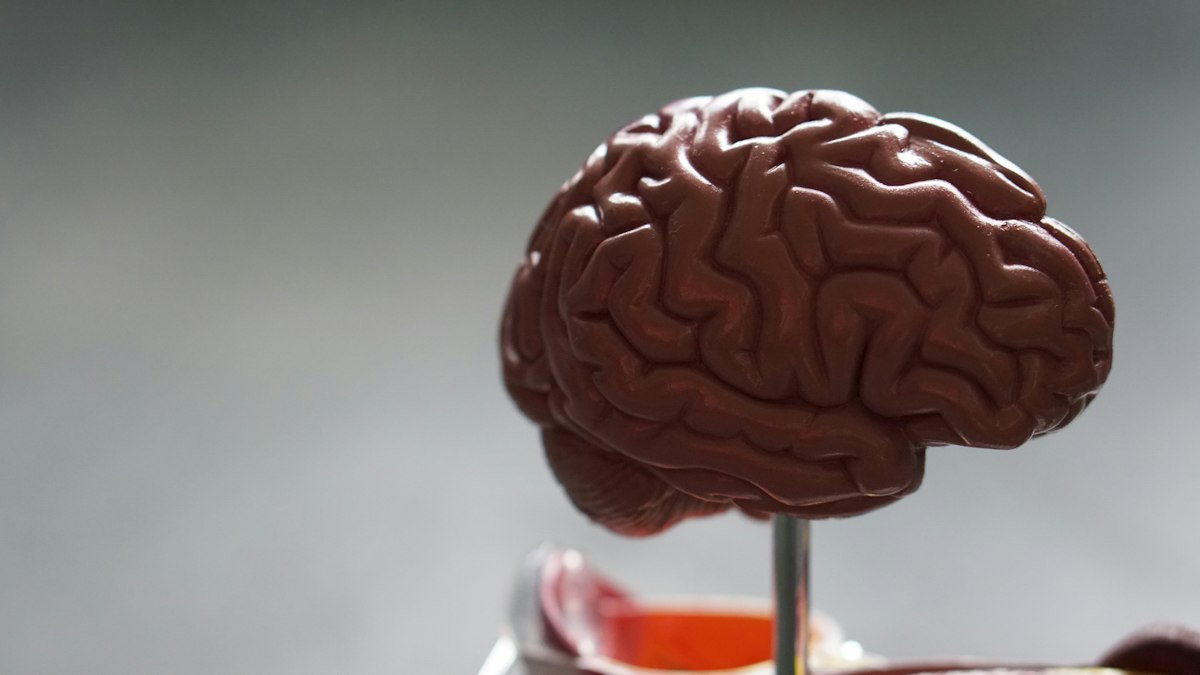
Alcohol exerts its effects primarily through two major neurotransmitter systems: it enhances the inhibitory action of gamma-aminobutyric acid (GABA) and inhibits the excitatory action of glutamate via N-methyl-D-aspartate (NMDA) receptors. With chronic exposure, the brain compensates by downregulating GABA receptors and upregulating NMDA receptors — creating a neuroadaptive state of hyperexcitability. This is the fundamental mechanism underlying withdrawal seizures and delirium tremens when alcohol is abruptly discontinued.
Simultaneously, alcohol activates the mesolimbic dopamine reward pathway — specifically projections from the ventral tegmental area (VTA) to the nucleus accumbens — producing the reinforcing euphoria associated with drinking. Over time, this system becomes dysregulated: natural rewards lose their salience while alcohol-associated cues trigger powerful craving responses. The prefrontal cortex, responsible for impulse control and executive decision-making, shows progressive hypoactivation in individuals with AUD, explaining the characteristic impairment of self-regulation and the compulsive nature of drinking despite negative consequences.
Patterns of Alcohol Use: From Social Drinking to Dependence
Alcohol use exists on a spectrum. Understanding these patterns is essential for early identification and intervention:
- Social/Moderate Drinking: Consumption within low-risk guidelines (e.g., up to 14 units/week for men, 7 units/week for women as per Indian Psychiatric Society recommendations), with no significant negative consequences or signs of dependence.
- Hazardous Drinking: A pattern of use that increases the risk of physical or psychological harm. The individual has not yet experienced harm but is at increased risk. Characterised by binge drinking (typically defined as consuming 5 or more standard drinks on a single occasion for men) or drinking above recommended weekly limits.
- Harmful Drinking: A pattern causing actual physical harm (e.g., alcoholic liver disease) or psychological harm (e.g., depressive episodes). The individual does not yet meet criteria for dependence syndrome.
- Alcohol Dependence Syndrome: The full clinical syndrome as described by the ICD-11 and DSM-5, characterised by compulsive use, tolerance, withdrawal, craving, and continued use despite harm. This represents the severe end of the spectrum and typically requires formal medical treatment.
Behavioural Changes in Alcohol Use Disorder

Behavioural manifestations of AUD are progressive and pervasive, affecting virtually every domain of an individual’s life:
- Loss of Control: Inability to stop drinking once started; consistently drinking more than intended; failed attempts to cut down or abstain.
- Salience of Alcohol-Seeking: Alcohol dominates the individual’s thinking, behaviour, and daily routine. Activities previously enjoyed are progressively abandoned in favour of drinking or recovering from drinking.
- Continued Use Despite Harm: Persistent drinking despite clear awareness of physical consequences (e.g., liver disease), interpersonal consequences (e.g., divorce), occupational consequences (e.g., job loss), or legal consequences.
- Ritualistic Drinking Behaviour: Drinking at specific times (e.g., first thing in the morning to manage withdrawal — “eye-opener”), in specific contexts, or using specific drinking rituals that become rigid and non-negotiable.
- Social Withdrawal and Isolation: Progressive withdrawal from family, friends, and social activities. Relationships are replaced by drinking companions or solitary use.
- Neglect of Responsibilities: Failure to fulfil parental, spousal, occupational, or domestic responsibilities; missing work, neglecting children, abandoning previously valued commitments.
- Dishonesty and Concealment: Hiding alcohol, lying about the quantity consumed, denial of the severity of the problem — often a defence mechanism against shame and external pressure.
- Aggression and Irritability: Increased interpersonal conflict, lowered frustration tolerance, and in some cases domestic violence, particularly during intoxication or withdrawal.
Cognitive Changes in Alcohol Use Disorder
Chronic alcohol use produces measurable cognitive deficits that persist well into early recovery and, in severe cases, may become permanent:
- Executive Function Impairment: Reduced capacity for planning, problem-solving, abstract thinking, and behavioural flexibility. Impairment of the prefrontal cortex compromises the individual’s ability to evaluate consequences and regulate impulses — directly fuelling continued drinking.
- Memory Deficits: Difficulties with working memory, short-term recall, and new learning. Alcohol-related blackouts (anterograde amnesia during intoxication) are an early warning sign of neurotoxicity. Severe, chronic dependence can result in Wernicke-Korsakoff Syndrome — a thiamine-deficiency encephalopathy characterised by severe anterograde amnesia, confabulation, and permanent memory impairment.
- Attentional Bias Toward Alcohol Cues: Neuroimaging studies demonstrate hyperactivation of limbic and reward circuits in response to alcohol-related stimuli (e.g., images of alcohol, social drinking contexts), driving automatic craving responses that override rational decision-making.
- Impaired Emotional Regulation: Reduced ability to recognise and manage negative emotional states. Alcohol is often used as a maladaptive emotion regulation strategy — particularly for anxiety, depression, and trauma-related distress — creating a self-reinforcing cycle.
- Denial and Impaired Insight: Anosognosia — reduced awareness of one’s own deficits — is both a neurological and psychological feature of AUD. Individuals genuinely underestimate the severity of their drinking and its consequences, making this a clinical obstacle to treatment engagement rather than simple “stubbornness.”
- Cognitive Distortions: Characteristic thought patterns include minimisation (“I can stop any time I want”), rationalisation (“I only drink to cope with stress”), and selective attention to evidence that supports continued use while discounting evidence of harm.
Types of Alcoholic Beverages Commonly Used in Mumbai & India

Understanding the types of alcohol consumed in Mumbai and across India is clinically relevant, as alcohol content, adulteration risks, and social drinking patterns vary significantly across categories:
Indian-Made Foreign Liquor (IMFL) — Spirits
IMFL constitutes the largest category of regulated alcohol consumption in India. Whisky is by far the most consumed spirit, with India being the world’s largest whisky market by volume. Popular brands include Officer’s Choice, Royal Stag, McDowell’s No.1, Imperial Blue, and Blender’s Pride. Indian whisky is predominantly made from molasses (sugarcane byproduct) rather than grain malt, with an alcohol by volume (ABV) of typically 42.8%. Rum (Old Monk, Contessa) and brandy (Honey Bee, Morpheus) are also widely consumed. Imported Scotch, bourbon, and gin have grown significantly in premium markets in Mumbai.
Beer
Beer is increasingly the entry-level beverage of choice among urban youth in Mumbai. Popular brands include Kingfisher, Budweiser, Heineken, Tuborg, and Bira 91. Standard Indian beers carry an ABV of 4.8–8%. Strong beers (Kingfisher Strong, Haywards 5000, Royal Challenge Strong) have an ABV of 7–8% and are disproportionately associated with problem drinking in lower-income groups due to their price-to-alcohol ratio.
Wine
Maharashtra is India’s premier wine-producing state, with the Nashik region producing over 80% of India’s domestic wine (Sula, Grover Zampa, York Winery). Wine consumption in Mumbai has grown substantially among educated, urban professionals. While wine is culturally perceived as a “safer” or “healthier” choice, regular daily consumption carries equivalent dependence risk to other ethanol-containing beverages.
Country Liquor (Desi Daru)
Country liquor — locally called desi daru, tharra, or arrack — is government-manufactured or licensed low-cost spirit, primarily made from sugarcane or grain, with an ABV of 30–40%. It is the predominant form of alcohol consumed in peri-urban and low-income communities across Mumbai’s suburbs (Dharavi, Kurla, Govandi) and Maharashtra’s rural areas. While regulated country liquor is safe when genuine, counterfeit or illicitly adulterated batches pose severe public health risks.
Illicit Liquor (Hooch) and Spurious Alcohol
Illicitly distilled liquor — colloquially known as hooch — is periodically associated with mass poisoning events in India. The primary toxicological danger is methanol (methyl alcohol) contamination. Unlike ethanol (drinking alcohol), methanol is metabolised by alcohol dehydrogenase to formaldehyde and formic acid — causing severe metabolic acidosis, optic nerve damage leading to permanent blindness, and death. The tragic Malegaon hooch tragedy (1976), the 1992 Mira Road poisoning in Mumbai, and multiple subsequent incidents across Maharashtra highlight the ongoing public health risk. Clinically, methanol poisoning presents with an initial latency period (6–24 hours) followed by visual disturbances, severe metabolic acidosis, and multiorgan failure.
Toddy (Tadi)
Fermented palm sap (coconut or palmyra palm), consumed fresh or aged. Widely used in coastal Maharashtra, Konkan, and Goa. Fresh toddy has a low ABV (2–3%) but fermented aged toddy can reach 5–7%. It is culturally embedded in certain communities and represents a significant source of alcohol dependence in coastal populations.
Hand Sanitizers, Cough Syrups, and Industrial Alcohol Misuse
In populations with severe dependence and limited financial means, misuse of products containing isopropyl alcohol (hand sanitizers), chlorpheniramine-codeine cough syrups, and industrial-grade ethanol has been documented in Mumbai and other Indian cities. These carry severe toxicological risks and are associated with the most severe presentations of dependence seen in hospital psychiatry settings.
Alcohol Intoxication: Clinical Features and Management

Acute alcohol intoxication results from the dose-dependent CNS depressant effects of ethanol on GABA and glutamate neurotransmission. Clinical features are directly correlated with blood alcohol concentration (BAC):
- BAC 20–50 mg/dL (0.02–0.05%): Mild euphoria, relaxation, slight impairment of fine motor coordination and divided attention. The individual may appear sociable and disinhibited.
- BAC 50–100 mg/dL (0.05–0.10%): Slurred speech, impaired reaction time, mild incoordination, emotional lability, impaired judgment. Legal driving limit in most of India is 30 mg/dL (0.03%).
- BAC 100–200 mg/dL (0.10–0.20%): Significant ataxia, dysarthria, nystagmus, impaired memory, emotional dysregulation (aggression or tearfulness), anterograde amnesia (blackouts may begin).
- BAC 200–300 mg/dL (0.20–0.30%): Severe ataxia, stupor, vomiting with risk of aspiration, significantly reduced consciousness.
- BAC >300 mg/dL (>0.30%): Coma, respiratory depression, hypothermia, cardiovascular compromise — constitutes a medical emergency. Untreated, can progress to death.
Individuals with established tolerance — as in severe alcohol dependence — may appear relatively functional at BAC levels that would incapacitate a non-dependent drinker, a phenomenon known as metabolic and behavioural tolerance. Emergency management of acute severe intoxication involves maintaining airway patency, preventing aspiration, monitoring vital signs, IV thiamine supplementation, and supportive care.
Pathological intoxication (alcohol idiosyncratic intoxication) — a rare phenomenon characterised by extreme aggression and psychotic features after minimal alcohol consumption — has been described in individuals with certain neurological vulnerabilities and is a recognised medico-legal entity in India.
Alcohol Withdrawal Syndrome

Alcohol withdrawal syndrome (AWS) occurs when an individual who has developed neuroadaptation to chronic alcohol exposure abruptly discontinues or significantly reduces intake. The underlying mechanism is the unmasking of the upregulated, hyperexcitable state — now unopposed by alcohol’s GABAergic and anti-glutamatergic effects — resulting in a syndrome of CNS hyperactivation.
Timeline of Alcohol Withdrawal
- 6–12 hours after last drink — Minor Withdrawal: Tremor (hands, tongue), diaphoresis (sweating), tachycardia, hypertension, anxiety, agitation, insomnia, nausea and vomiting, hyperreflexia. This stage is uncomfortable but rarely dangerous in isolation. The tremor is typically coarse, intentional, and worsens with purposeful movement — distinguishing it from Parkinson’s tremor.
- 12–24 hours — Alcoholic Hallucinosis: Approximately 25% of withdrawing individuals experience perceptual disturbances — typically visual (formication — the sensation of insects crawling on skin; vivid frightening visual hallucinations), auditory (voices, sounds), or tactile. Crucially, in uncomplicated alcoholic hallucinosis, sensorium remains clear — the individual is oriented, has intact consciousness, and often recognises the hallucinations as unreal. This distinguishes it from delirium tremens.
- 24–48 hours — Withdrawal Seizures: Grand mal (generalised tonic-clonic) seizures occur in approximately 5–15% of untreated individuals. They are typically single, self-limiting, and occur without a prior epileptic history. However, status epilepticus (prolonged or multiple seizures without recovery) is a medical emergency. A prior history of withdrawal seizures significantly increases the risk of recurrence and of progression to delirium tremens.
- 48–72 hours — Delirium Tremens (DTs): The most severe and life-threatening manifestation of alcohol withdrawal — discussed in detail below.
Clinical assessment of withdrawal severity uses validated tools such as the Clinical Institute Withdrawal Assessment for Alcohol, Revised (CIWA-Ar), which scores 10 domains of withdrawal on a structured scale to guide medication dosing. The standard pharmacological treatment for alcohol withdrawal is a benzodiazepine (diazepam, lorazepam, or chlordiazepoxide), which substitutes for alcohol’s GABAergic activity and provides a controlled, tapered suppression of CNS hyperexcitability. Thiamine (Vitamin B1) supplementation is mandatory in all withdrawing patients to prevent Wernicke’s encephalopathy.
Delirium Tremens (DTs): The Most Dangerous Stage of Withdrawal

Delirium Tremens (DTs) is the most severe manifestation of alcohol withdrawal syndrome and constitutes a psychiatric and medical emergency. It occurs in approximately 5% of patients experiencing alcohol withdrawal, typically developing 48–96 hours after the last drink, though it can emerge as late as 7–10 days in some cases.
Clinical Features of Delirium Tremens
The defining feature that distinguishes DTs from lesser withdrawal states is the presence of delirium — an acute confusional state characterised by:
- Clouded consciousness: Impaired awareness and orientation to person, place, and time. Unlike alcoholic hallucinosis, the individual in DTs has a grossly disturbed sensorium and cannot distinguish reality from hallucination.
- Florid visual hallucinations: Characteristically, patients with DTs report vivid, terrifying visual hallucinations — classically small animals (zoopsia), insects crawling over the body, or threatening figures. These are not recognised as unreal and drive extreme agitation and fearful behaviour.
- Severe psychomotor agitation: Extreme restlessness, picking at bedclothes or clothing (occupational delirium), inability to remain still, combativeness — poses significant risk of self-injury.
- Autonomic hyperactivity: Severe tachycardia (heart rate >100 bpm), hypertension (systolic >160 mmHg), hyperthermia (temperature >38.5°C), profuse diaphoresis. Autonomic instability is responsible for the life-threatening cardiovascular complications of DTs.
- Fluctuating course: Symptoms wax and wane unpredictably, often worsening at night (“sundowning”). Periods of apparent lucidity may alternate with profound confusion.
- Tremor: Coarse, generalised tremor — often so severe the patient cannot hold a cup or perform purposeful movements.
Risk Factors for Developing Delirium Tremens
- History of previous DTs or withdrawal seizures (the most significant predictor)
- Duration of current drinking episode exceeding 2 weeks
- High alcohol consumption (>15 standard drinks per day)
- Age over 40 years with long history of dependence
- Concurrent medical illness (pneumonia, hepatitis, traumatic injury)
- Nutritional deficiency — particularly thiamine deficiency
- Previous hospital admissions for detoxification
Mortality and Complications
Without adequate treatment, the mortality of delirium tremens historically approached 35%. With modern intensive medical management, mortality has been reduced to approximately 1–5%, but remains significant — making DTs one of the few psychiatric emergencies with a substantial risk of death. Principal causes of death include:
- Cardiac arrhythmias (ventricular fibrillation, torsades de pointes) driven by autonomic hyperactivity and electrolyte disturbances
- Hyperthermia and rhabdomyolysis
- Aspiration pneumonia
- Status epilepticus
- Hypoglycaemia
- Concurrent Wernicke’s encephalopathy (thiamine deficiency)
Management of Delirium Tremens
DTs require immediate hospitalisation, ideally in a high-dependency unit or ICU. Management principles include:
- High-dose benzodiazepines: IV diazepam (10–20 mg IV bolus titrated to effect) or IV lorazepam is the first-line treatment, administered using a symptom-triggered or fixed-schedule protocol to suppress CNS hyperexcitability.
- IV thiamine (Vitamin B1): 500 mg IV thiamine three times daily for 3 days (Pabrinex) is mandatory to treat and prevent Wernicke’s encephalopathy — thiamine must always be given before any glucose-containing fluids.
- Fluid and electrolyte replacement: Correction of dehydration, hypomagnesaemia, hypokalaemia, and hypophosphataemia — electrolyte abnormalities significantly increase arrhythmia risk.
- Continuous monitoring: Cardiac monitoring, pulse oximetry, regular vital signs, and CIWA-Ar scoring to guide medication dosing.
- Antipsychotics (haloperidol): Used as adjunctive agents for severe agitation and psychotic features, but never as monotherapy since they lower the seizure threshold.
- Safe, low-stimulation environment: Quiet room, minimal unnecessary interventions, consistent nursing staff, and if possible, a trusted family member present to provide orientation.
Recovery from DTs typically occurs over 3–7 days with appropriate management. The resolution of delirium and return of clear consciousness marks the clinical endpoint of acute withdrawal, after which the patient can be transitioned to oral anticraving medications and commenced on rehabilitation planning.
Why See a Psychiatrist for Alcohol De-addiction?
Most people search for a rehabilitation centre before considering a psychiatrist. For many patients — especially working professionals and executives — outpatient psychiatric care is the smarter first step. A psychiatrist can accurately assess dependence severity, prescribe anti-craving medications (naltrexone, acamprosate, disulfiram), manage physical withdrawal safely, and treat co-occurring conditions such as anxiety or depression that fuel the drinking.
What Dr. Pavan Sonar Offers
- Outpatient detox management — structured home-based alcohol withdrawal under medical supervision with regular monitoring and medication.
- Anti-craving medication — evidence-based pharmacotherapy to reduce cravings and prevent relapse.
- Dual diagnosis treatment — simultaneous assessment and management of alcohol use disorder alongside depression, anxiety, or PTSD.
- Cognitive Behavioural Therapy (CBT) — addressing thought patterns and triggers that sustain harmful drinking.
- Family counselling — supporting families in understanding the condition and participating in recovery.
- Referral for residential rehab — when inpatient care is clinically indicated, Dr. Sonar coordinates with appropriate facilities.
When Should You See a De-addiction Psychiatrist?
- You are drinking daily or needing alcohol to feel normal.
- You have tried to stop and experienced withdrawal symptoms — tremors, sweating, anxiety, or sleep disturbance.
- Alcohol is affecting your work, relationships, or health.
- A doctor has told you that you need to stop drinking.
- You feel your drinking is masking depression, anxiety, or past trauma.
- You want professional help before committing to a 30- or 60-day residential programme.
Strict Patient Confidentiality
All consultations are conducted in absolute confidence. No information is shared without your explicit written consent. There are no public registers, no employer notifications, and no records shared without your permission. Your privacy is a clinical and ethical commitment.
Clinic Locations in Mumbai
Dr. Pavan Sonar sees patients at four clinic locations across Mumbai: Andheri West (Bellevue Hospital), Malad West (Riddhivinayak Hospital), Malad East (New Sanjeevani Hospital), and Borivali East (Galaxy Multispeciality Hospital). Premium home consultations are available across Mumbai for patients requiring complete privacy.
Frequently Asked Questions
Can alcohol withdrawal be managed at home?
For mild to moderate dependence, medically supervised home detox is safe and effective. Dr. Sonar assesses withdrawal risk before recommending this route. Severe dependence with a history of seizures or delirium tremens typically requires hospitalisation.
Do I need to go to a rehabilitation centre?
Not always. Outpatient psychiatric treatment is appropriate for many motivated patients with family support who do not require 24-hour supervision. A residential programme is recommended when the home environment is not conducive to recovery or when dependence is severe.
What medications are used for alcohol de-addiction?
Commonly prescribed medications include naltrexone (reduces craving and the rewarding effects of alcohol), acamprosate (reduces post-withdrawal anxiety), and disulfiram (causes an unpleasant reaction if alcohol is consumed, acting as a deterrent). The choice of medication depends on individual clinical assessment.
Will my employer or family know I am seeking help?
No. All consultations are protected by strict medical confidentiality. No information is disclosed to any third party — including family members — without your explicit written consent.
To book a consultation, call or WhatsApp Dr. Pavan Sonar directly. All enquiries are treated with complete discretion.
Getting Expert Help for Alcohol Dependence in Mumbai
If you or a family member is experiencing any of the symptoms described above — including signs of dependence, withdrawal, or a history of delirium tremens — professional psychiatric evaluation is essential and urgent. Alcohol withdrawal is one of the few substance withdrawal syndromes that can be life-threatening without proper medical management. Dr. Pavan Sonar provides expert assessment of withdrawal risk, medically supervised detoxification, and comprehensive long-term treatment planning to support lasting recovery.
Also see: Gambling Addiction Treatment in Mumbai — Dr. Pavan Sonar treats behavioural addictions including online betting disorder, fantasy sports addiction, and Aviator game addiction alongside substance de-addiction.