Book Appointment Now
Best Smoking Cessation Treatment in Mumbai
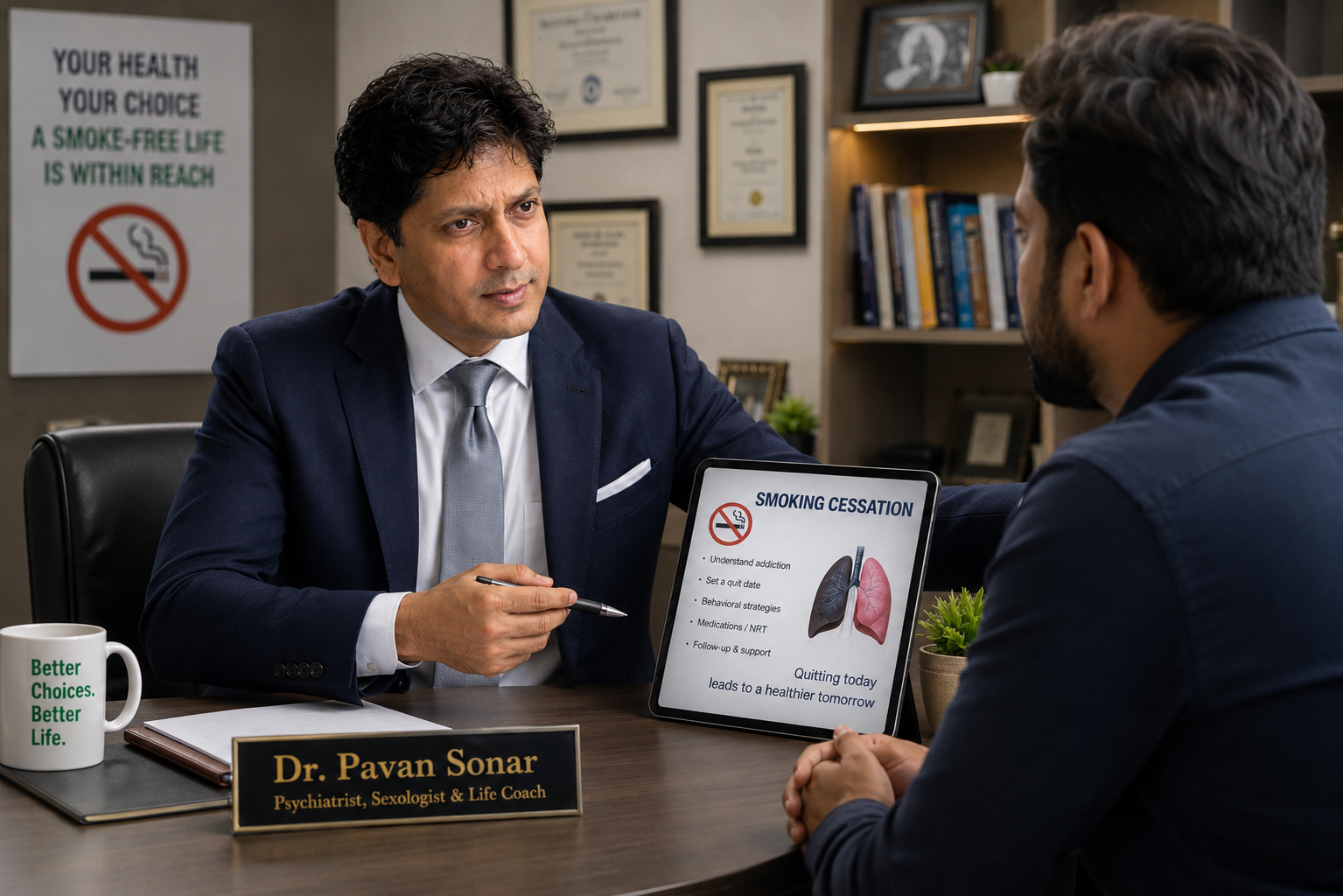
Best Smoking Cessation Treatment in Mumbai – Quit Smoking for Good with Expert Help
Are you searching for the best smoking cessation treatment in Mumbai? You are not alone. Millions of people across India try to stop smoking every year, yet fewer than 5% succeed without professional support. If you have been looking for an effective tobacco cessation therapy near you, you have come to the right place.
At Dr. Pavan Sonar’s clinic, we offer evidence-based, medically supervised smoking cessation treatment in Mumbai that addresses the physical, psychological, and behavioural dimensions of nicotine addiction — helping you reclaim your health and your life.
What Is Smoking Addiction? Understanding Nicotine Dependence
Smoking addiction, clinically known as nicotine dependence, is a chronic, relapsing condition in which a person compulsively uses tobacco products despite harmful consequences. Nicotine — the primary psychoactive substance in tobacco — triggers the release of dopamine in the brain’s reward pathways, creating powerful feelings of pleasure and relaxation.
Over time, the brain adapts to the constant presence of nicotine, requiring larger amounts to achieve the same effect (tolerance) and producing distressing nicotine withdrawal symptoms when the substance is absent. This cycle of craving, use, and withdrawal is what makes smoking one of the most difficult addictions to overcome without structured tobacco cessation therapy.
The smoking cessation timeline for recovery varies by individual, but significant health benefits begin within just 20 minutes of the last cigarette — and continue improving for years after quitting.
Different Types (Variants) of Tobacco & Nicotine Addiction
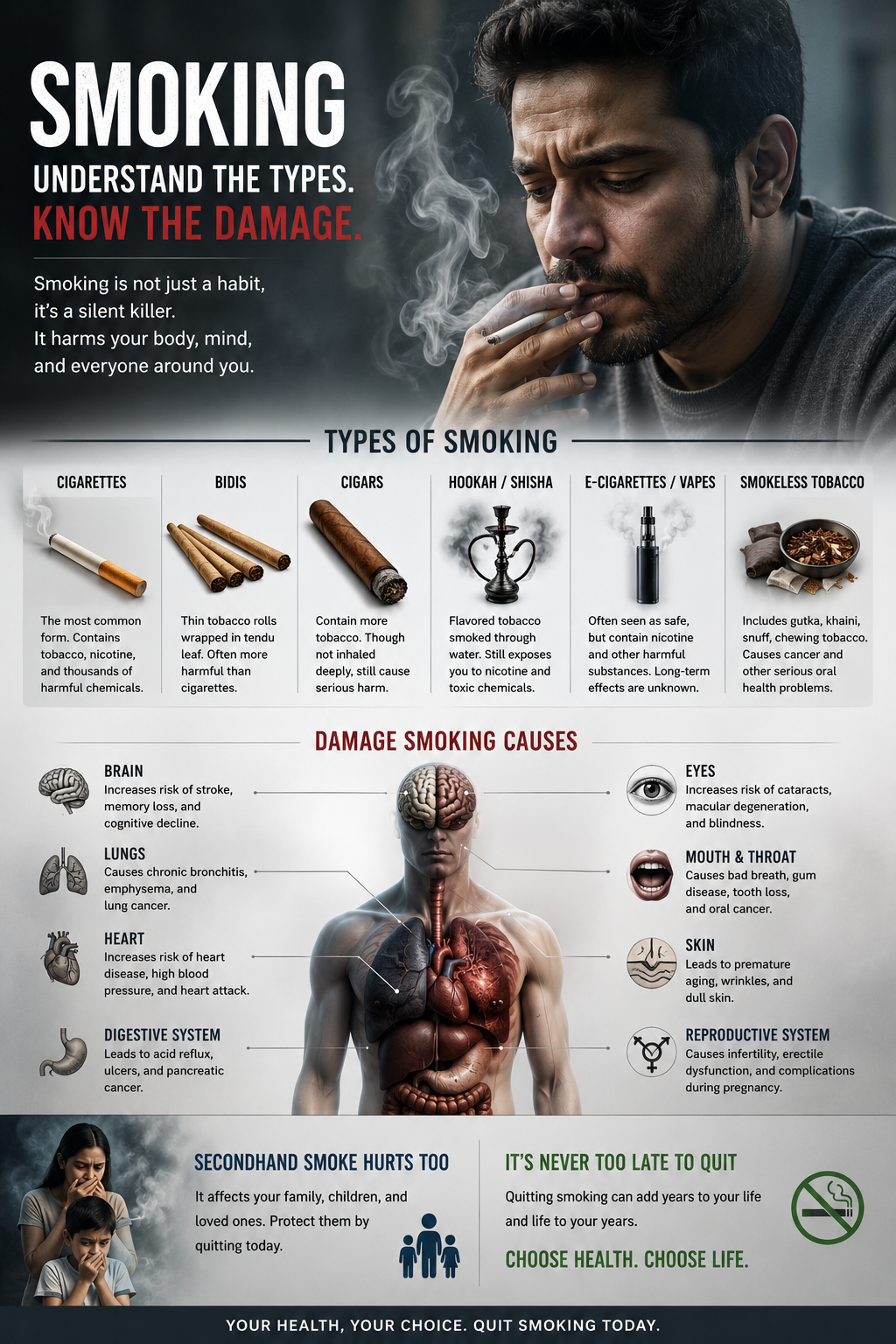
Tobacco and nicotine addiction is not limited to cigarettes alone. Understanding the full spectrum of tobacco use is critical for choosing the right de-addiction treatment in Mumbai:
- Cigarette Smoking – The most common form; each cigarette delivers approximately 1–2 mg of nicotine along with over 7,000 toxic chemicals.
- Bidis – Thin, hand-rolled Indian cigarettes; highly prevalent in Maharashtra and across Mumbai; carry even higher tar and carbon monoxide levels than regular cigarettes.
- Gutka & Tobacco Chewing – Smokeless oral tobacco common in India; a major risk factor for oral cancers.
- Hookah / Shisha – Often perceived as “safer,” but a one-hour hookah session delivers nicotine equivalent to smoking 100+ cigarettes.
- E-Cigarettes / Vaping – A rapidly growing trend. The debate around vaping vs smoking cessation is nuanced — while some use vaping as a quitting tool, it carries its own health risks and can perpetuate nicotine dependence.
- Cigars & Pipes – High-nicotine combustible tobacco products with significant cardiovascular and cancer risks.
- Snuff (Nasal Tobacco) – Powdered tobacco inhaled through the nose; causes addiction and nasal tissue damage.
Whether you use cigarettes, bidi, gutka, or are exploring alternatives like vaping, our smoking cessation clinic in Mumbai provides customised treatment plans for every form of tobacco addiction.
Why Do People Start Smoking? Root Causes of Tobacco Addiction
Understanding why smoking begins is essential to breaking the cycle. The most common reasons people start — and continue — smoking include:
- Peer Pressure & Social Influence – Particularly common among teenagers and young adults; social environments where smoking is normalised make initiation more likely.
- Stress & Anxiety Relief – Many people in high-pressure urban environments like Mumbai turn to cigarettes as a coping mechanism. Nicotine temporarily reduces stress, reinforcing continued use.
- Family Environment – Growing up with parents or siblings who smoke significantly increases the likelihood of starting.
- Mental Health Conditions – People with depression, anxiety, schizophrenia, or ADHD are statistically 2–4 times more likely to smoke.
- Curiosity & Media Influence – Glamourised portrayals of smoking in Bollywood films and advertising historically played a major role.
- Occupational Stress – Industries with high-stress environments, irregular shifts, or manual labour see elevated smoking rates.
- Genetic Predisposition – Genetic variants affecting dopamine receptors can make certain individuals more susceptible to nicotine addiction after initial exposure.
Damage Caused by Smoking: Why You Must Quit Now
The health consequences of long-term smoking are devastating and affect virtually every organ in the body. Here is a comprehensive overview of the damage caused by tobacco addiction:
Cardiovascular System
Smoking is the single largest preventable cause of cardiovascular disease. It damages blood vessel walls, promotes plaque formation (atherosclerosis), raises blood pressure, and doubles the risk of heart attack and stroke. Mumbai’s already high rates of urban cardiovascular disease are significantly worsened by tobacco use.
Respiratory System
Chronic Obstructive Pulmonary Disease (COPD), chronic bronchitis, emphysema, and lung cancer are directly linked to smoking. Smoking destroys the cilia lining the airways, impairing the lungs’ natural ability to clear toxins and mucus.
Cancer Risk
Tobacco use causes at least 15 types of cancer, including lung, oral, throat, oesophageal, stomach, pancreatic, bladder, kidney, cervical, and more. In India, oral cancers from tobacco chewing are especially prevalent.
Mental Health
While smokers use nicotine to manage stress, the addiction worsens anxiety and depression over time. Chronic smokers are at significantly higher risk of depression, anxiety disorders, and cognitive decline.
Reproductive & Sexual Health
Smoking reduces fertility in both men and women, causes erectile dysfunction, and significantly increases risks during pregnancy — including miscarriage, premature birth, and low birth weight.
Oral & Dental Health
Tobacco use causes gum disease, tooth loss, bad breath, staining, and dramatically increases the risk of oral cancers — a major public health concern in Maharashtra.
Skin, Hair & Appearance
Smoking accelerates skin ageing, causes wrinkles, dulls complexion, and leads to premature hair greying and loss — all reversible to a significant extent after successful smoking cessation.
Quit Smoking Benefits: What Happens When You Stop Smoking?
The quit smoking benefits begin almost immediately after you stop. Here is the smoking cessation timeline for health recovery:
- 20 minutes – Heart rate and blood pressure drop to normal levels.
- 12 hours – Carbon monoxide levels in the blood normalise.
- 2 weeks – 3 months – Circulation improves; lung function increases by up to 30%.
- 1–9 months – Coughing and shortness of breath decrease; cilia in the lungs regrow and begin clearing mucus.
- 1 year – Risk of coronary heart disease drops to half that of a smoker.
- 5 years – Risk of stroke equals that of a non-smoker.
- 10 years – Lung cancer death rate drops to about half that of a smoker; risks of oral, throat, oesophageal, and bladder cancers decrease significantly.
- 15 years – Risk of coronary heart disease equals that of a person who never smoked.
These benefits are achievable for everyone — regardless of how long or how heavily you have smoked. It is never too late to stop smoking and reclaim your health.
Best Smoking Cessation Treatments Available in Mumbai
At our smoking cessation clinic in Mumbai, Dr. Pavan Sonar uses a comprehensive, multi-modal approach to tobacco cessation therapy. The most effective treatments, used in combination, include:
1. Nicotine Replacement Therapy (NRT) for Smoking Cessation
Nicotine replacement therapy (NRT) is the most widely recommended first-line treatment for quitting smoking, endorsed by the World Health Organization. By delivering controlled doses of nicotine without the toxic by-products of tobacco combustion, NRT reduces nicotine withdrawal symptoms and cravings, making it easier to quit.
Available NRT formats include:
- Nicotine Patch – Worn on the skin; delivers a steady 16–24 hour dose of nicotine; ideal for heavy smokers.
- Nicotine Gum – Provides on-demand relief from acute cravings; available in 2 mg and 4 mg doses.
- Nicotine Lozenge – Dissolves in the mouth; convenient and discreet.
- Nicotine Inhaler – Mimics the hand-to-mouth habit of smoking; effective for those with strong behavioural associations.
- Nicotine Nasal Spray – Fastest-acting NRT; suitable for highly dependent smokers.
Dr. Sonar customises NRT regimens — including combination NRT using a nicotine patch alongside nicotine gum — for optimal quit rates.
2. Prescription Medications for Smoking Cessation: Bupropion & Champix
Two prescription medications have strong clinical evidence supporting their use in smoking cessation:
- Bupropion for smoking cessation – Originally developed as an antidepressant, bupropion (Zyban) reduces nicotine cravings and withdrawal symptoms by acting on dopamine and norepinephrine pathways in the brain. It is particularly effective for smokers who also experience depression or anxiety.
- Varenicline (Champix / Chantix) – The most effective single pharmacological agent for smoking cessation. Varenicline works by partially stimulating and blocking nicotine receptors, reducing both cravings and the pleasure derived from smoking. Clinical trials show varenicline more than doubles long-term quit rates compared to placebo. Dr. Sonar carefully evaluates suitability and monitors patients on Champix throughout treatment.
3. Cognitive Behavioural Therapy (CBT) for Smoking Cessation
Psychological treatment is just as important as medication. CBT helps patients identify and change the thought patterns, emotional triggers, and behavioural habits that sustain smoking. As the best psychiatrist for de-addiction in Mumbai, Dr. Pavan Sonar integrates personalised CBT sessions into every treatment plan.
4. Motivational Enhancement Therapy (MET)
MET uses structured counselling to strengthen a patient’s intrinsic motivation to quit. It is particularly effective for ambivalent patients who want to stop smoking but feel they “can’t.” Building self-efficacy is central to long-term abstinence.
5. Hypnotherapy to Stop Smoking
Interest in hypnotherapy to stop smoking has surged significantly in recent years as patients seek drug-free alternatives. Hypnotherapy uses guided relaxation and focused attention to address the subconscious patterns associated with smoking. While not a standalone treatment, it can be a valuable complementary tool alongside NRT and behavioural therapy.
6. Digital Support: Quit Smoking Apps
The rise of quit smoking apps — many available as free downloads — has provided patients with on-demand craving management tools, progress trackers, and peer support communities. Dr. Sonar recommends evidence-based apps as part of a comprehensive quit plan, especially for tech-savvy Mumbai residents.
7. Vaping as a Cessation Aid: The Truth About Vaping vs Smoking
The question of vaping vs smoking cessation is one of the most searched topics today. While some guidelines suggest e-cigarettes may help smokers transition away from combustible tobacco, e-cigarettes are not approved smoking cessation devices in India and carry risks of their own. Dr. Sonar advises patients on the evidence, risks, and approved alternatives on a case-by-case basis.
About Dr. Pavan Sonar – Your Smoking Cessation Specialist in Mumbai
If you are searching for the best psychiatrist for de-addiction Mumbai residents trust, look no further. Dr. Pavan Sonar is a highly experienced and board-certified psychiatrist with advanced specialisation in addiction medicine, de-addiction psychiatry, and behavioural health. He is widely regarded as one of the best psychiatrists for de-addiction in Mumbai, with a patient-centred, evidence-based approach that combines the latest pharmacological treatments with compassionate psychological support.
Dr. Sonar’s expertise spans the full spectrum of addictive disorders, including nicotine dependence, alcohol use disorder, and substance abuse. His specialised smoking cessation treatment in Mumbai clinic has helped hundreds of patients successfully quit smoking and reclaim their health and quality of life.
Key credentials and approach:
- MD Psychiatry with specialisation in addiction medicine
- Expert in nicotine replacement therapy, bupropion, Champix/Chantix (varenicline), and CBT-based smoking cessation protocols
- Provides structured, medically monitored quit programs with regular follow-up
- Treats co-occurring mental health conditions (depression, anxiety) that complicate smoking cessation
- Offers both in-clinic consultations in Mumbai and online/tele-psychiatry appointments across India
- Compassionate, non-judgmental care with full confidentiality
Whether you are a first-time quitter or have tried to stop smoking before, Dr. Sonar will design a personalised tobacco cessation therapy plan that addresses your specific triggers, history, and health profile.
Nicotine Withdrawal: What to Expect During Smoking Cessation Treatment
One of the biggest barriers to quitting is the fear of nicotine withdrawal symptoms. Understanding what to expect — and knowing that medical treatment can significantly reduce discomfort — empowers patients to push through.
Common nicotine withdrawal symptoms include:
- Intense cravings for cigarettes (peak at 2–3 days)
- Irritability, frustration, and mood swings
- Anxiety and restlessness
- Difficulty concentrating
- Increased appetite and weight gain
- Insomnia and sleep disturbances
- Headaches and dizziness
- Coughing and sore throat (as lungs begin to clear)
Most acute withdrawal symptoms peak within the first 72 hours and substantially improve over 2–4 weeks. With proper treatment from our de-addiction centre in Mumbai — including NRT, medication, and counselling — these symptoms are manageable and temporary.
How to Start Smoking Cessation Treatment in Mumbai: A Step-by-Step Guide
Many patients come to us after searching for rehab for smoking in Mumbai or wondering how to quit smoking, here is the evidence-based path to successful cessation:
- Consult a Specialist – Book an appointment with Dr. Pavan Sonar at our smoking cessation clinic in Mumbai. A professional assessment is the most powerful first step.
- Set a Quit Date – Choose a specific date within the next 2 weeks; inform family and friends for accountability.
- Identify Your Triggers – Stress, coffee, alcohol, social situations? Mapping your triggers allows targeted behavioural strategies.
- Start Medical Treatment – Begin NRT, bupropion, or Champix as recommended; these significantly increase your chance of success.
- Use Behavioural Support – Engage in CBT, motivational counselling, and support groups.
- Use Digital Tools – Download a quit smoking app to track your progress and manage cravings in real time.
- Stay the Course – Most relapses occur in the first two weeks. Sustained medical support reduces relapse risk significantly.
Why Choose Dr. Pavan Sonar for Smoking Cessation Treatment in Mumbai?
Whether you search for a smoking cessation clinic Mumbai or a dedicated tobacco cessation center near me, Dr. Pavan Sonar’s clinic stands out for its specialist psychiatric approach and proven outcomes.
Mumbai has numerous de-addiction centres and rehabilitation facilities, but not all offer the same level of specialised psychiatric expertise, personalised care, and evidence-based protocols for tobacco cessation. Here is why patients across Mumbai choose Dr. Pavan Sonar:
- Specialist Psychiatric Expertise – Tobacco addiction is a medical condition. Unlike general wellness centres, our clinic offers board-certified psychiatric assessment and treatment.
- Personalised Treatment Plans – No two patients are alike. Every quit program is tailored to your specific nicotine dependence level, mental health status, and lifestyle.
- Complete Medical Supervision – Prescription medications like Champix and bupropion require careful monitoring; Dr. Sonar ensures safety throughout treatment.
- Dual Diagnosis Treatment – For patients with co-occurring depression, anxiety, or other addictions, integrated psychiatric care leads to far better outcomes.
- Convenient Location in Mumbai – Accessible clinic location with flexible appointment slots, including evening and weekend availability.
- Online Consultations Available – Tele-psychiatry services for patients across Mumbai, Maharashtra, and India who cannot visit in person.
- High Success Rates – A combination of medication, CBT, and follow-up support yields success rates far above those achievable with willpower alone.
Frequently Asked Questions (FAQs) – Smoking Cessation Treatment in Mumbai
Q1: How do I know if I am addicted to nicotine?
If you smoke more than 10 cigarettes per day, feel strong cravings when you cannot smoke, smoke within 30 minutes of waking up, or have previously tried to quit and failed — you likely have significant nicotine dependence. Dr. Sonar uses validated tools like the Fagerström Test to assess your dependence level and design appropriate treatment.
Q2: What is the most effective smoking cessation treatment available?
Research consistently shows that combination treatment — using nicotine replacement therapy or varenicline (Champix) alongside behavioural counselling (CBT) — produces the highest long-term quit rates. Varenicline alone has been shown to more than double quit rates compared to placebo. Dr. Sonar tailors the combination to your individual needs.
Q3: Is NRT safe for smoking cessation treatment?
Yes. Nicotine replacement therapy — including nicotine patches and nicotine gum — is safe for most adults and is approved by global health authorities including the WHO. NRT provides nicotine without the thousands of harmful chemicals in tobacco smoke. It is used under medical supervision to gradually taper dependence.
Q4: How long does smoking cessation treatment take to work?
There is no single answer, as the smoking cessation timeline varies by individual. Acute nicotine withdrawal symptoms typically peak in the first 72 hours and resolve over 2–4 weeks. Most clinical programs run for 8–12 weeks with structured follow-up. Building long-term abstinence often takes 3–6 months of sustained support.
Q5: What are the side effects of Champix for smoking cessation?
Champix (Chantix) is highly effective but can cause side effects including nausea (most common), vivid dreams, insomnia, headache, and — in rare cases — mood changes. Dr. Sonar carefully screens patients before prescribing Champix and monitors for side effects throughout treatment, adjusting the regimen as needed for safety and comfort.
Q6: Can bupropion help with smoking cessation if I also have depression?
Yes. Bupropion for smoking cessation is particularly well-suited for smokers who also experience depression or low mood, as it addresses both conditions simultaneously. It works on the same neurotransmitter pathways involved in both nicotine dependence and depression. Dr. Sonar will conduct a full psychiatric evaluation to determine if bupropion is appropriate for you.
Q7: Is hypnotherapy effective for quitting smoking?
Hypnotherapy to stop smoking has shown promise in some studies and can be a useful complement to conventional treatment. It works best for patients who are highly motivated and is most effective when combined with NRT or counselling rather than used alone. Dr. Sonar can advise on integrating complementary approaches into your personalised quit plan.
Q8: Are there good quit smoking apps I can use?
Yes — several excellent free quit smoking apps are available, including Smoke Free, QuitNow!, and the iCan Quit app developed for Indian users. These apps track smoke-free days, calculate money saved, and provide craving management tools. Dr. Sonar recommends using an app as part of a broader quit program for best results.
Q9: I have tried to quit before and failed. Should I try again?
Absolutely. Most people require multiple attempts before achieving long-term abstinence — this is a normal feature of addiction, not a personal failure. Each previous attempt provides valuable information about what triggers relapse and how to better support the next attempt. With proper medical and psychological support from a smoking cessation specialist in Mumbai, your chances of success improve dramatically.
Q10: How do I book an appointment at your smoking cessation clinic in Mumbai?
Booking an appointment for smoking cessation treatment in Mumbai with Dr. Pavan Sonar is simple. You can call our clinic directly, use the contact form on this website, or book online. We offer both in-person consultations at our Mumbai clinic and tele-psychiatry sessions for patients across India. Early intervention significantly improves outcomes — do not delay in taking this important step toward a smoke-free life.
Take the First Step Towards a Smoke-Free Life in Mumbai
Quitting smoking is one of the most important decisions you will ever make for your health, your family, and your future. With the right support — expert psychiatric care, evidence-based nicotine replacement therapy, prescription medications like Champix or bupropion, and structured psychological counselling — you can stop smoking for good.
Do not let nicotine control your life any longer. Contact Dr. Pavan Sonar’s smoking cessation clinic in Mumbai today and take the first step toward lasting freedom from tobacco.
📍 Location: Mumbai, Maharashtra, India
📞 To Book an Appointment: Contact us via this website or call our clinic directly.
💻 Online Consultations: Available for patients across India.