Book Appointment Now

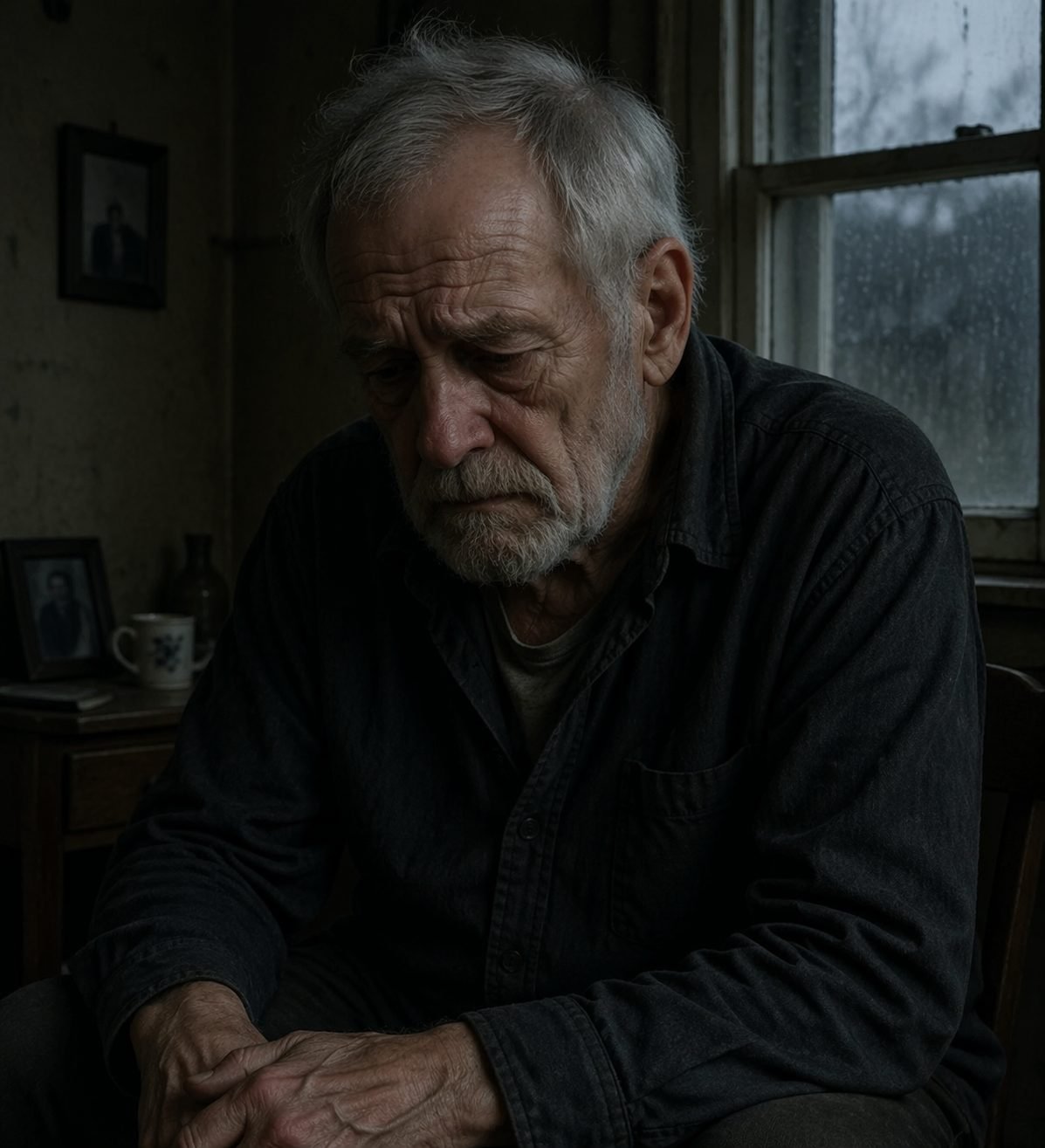
Depression & Anxiety in Old Age Mumbai | Dr. Pavan Sonar

Depression and anxiety in older adults — those aged 60 and above — represent one of the most under-recognised and under-treated mental health challenges in Mumbai. While society readily acknowledges that younger people experience mental health difficulties, the emotional struggles of the elderly are too often dismissed as “just old age” or “natural sadness.” In reality, depression and anxiety in later life are medical conditions that cause immense suffering and are highly treatable. Dr. Pavan Sonar, a psychiatrist in Mumbai, provides specialist care for elderly mental health, including late-life depression and anxiety.
Why Older Adults in Mumbai Are Vulnerable to Depression
Later life brings a concentration of risk factors for depression that are specific to this age group:
- Bereavement: Loss of a spouse, siblings, and close friends accelerates in later life. Grief that does not resolve may evolve into clinical depression, particularly in those with limited social support.
- Retirement and loss of identity: For many individuals — especially men — professional role is central to identity and daily structure. Retirement can trigger a significant identity crisis, loss of purpose, and depression.
- Physical illness and chronic pain: Arthritis, heart disease, diabetes, cancer, and neurological conditions all increase depression risk substantially. Chronic pain is one of the strongest predictors of late-life depression.
- Medication side effects: Many medications prescribed to older adults — antihypertensives, steroids, neurological drugs — have depression as a known side effect that is often not attributed to the medication.
- Loneliness and social isolation: In Mumbai, the nuclear family structure increasingly means that elderly parents are left alone for large parts of the day while working-age family members commute long hours. Social isolation is a major driver of depression in the elderly.
- Loss of independence: Difficulty with mobility, driving, or managing daily activities that previously came easily creates grief, frustration, and diminished self-worth.
How Depression Presents Differently in Older Adults
Late-life depression often presents differently from depression in younger adults, making it harder to recognise:
- Somatic complaints: Older depressed individuals in Mumbai frequently present to general physicians with physical complaints — fatigue, pain, sleep difficulties, appetite loss, and cognitive difficulties — rather than reporting sadness. They may not even identify themselves as “depressed.”
- Cognitive symptoms: Depression in older adults can cause significant cognitive impairment — poor concentration, memory difficulties, and slowed thinking — that can be mistaken for early dementia (“pseudodementia”). Distinguishing between depression-related cognitive impairment and true dementia requires specialist assessment.
- Masked depression: Some older adults deny subjective sadness but display classic neurovegetative features — disrupted sleep, appetite change, psychomotor slowing, and loss of energy — that indicate depression.
- Increased suicidal risk: Older adults — particularly elderly men — have significantly higher rates of completed suicide than younger age groups. Suicidal ideation in an older adult must always be taken seriously and assessed urgently.
Anxiety in Older Adults
Anxiety is as prevalent as depression in older adults and is even more frequently missed. Generalised Anxiety Disorder, health anxiety, and phobias (particularly fear of falling after a fall, and agoraphobia after illness) are common. Anxiety about becoming a burden to the family, about financial security, and about health is nearly universal in Mumbai’s elderly population — but when this anxiety becomes pervasive, disproportionate, and impairing, it requires treatment.
For detailed information on anxiety treatment available in Mumbai, visit Dr. Sonar’s anxiety treatment page.
Treatment for Late-Life Depression and Anxiety in Mumbai
Late-life depression and anxiety respond well to treatment, though several specific considerations apply:
Medication
SSRIs are the first-line medications for late-life depression and anxiety. Prescribing in older adults requires careful attention to drug interactions (polypharmacy is common in this age group), side effect profiles, kidney and liver function, and slower metabolism — requiring careful dosing. Dr. Sonar has experience with psychiatric prescribing in older adults and approaches medication management with appropriate caution and regular monitoring.
Psychotherapy
CBT adapted for older adults has strong evidence for late-life depression and anxiety. Reminiscence therapy and life review approaches are also effective, helping older adults find meaning and coherence in their life narrative. Problem-solving therapy addresses specific, current stressors. Dr. Sonar’s consultations incorporate supportive therapeutic elements alongside medication management.
Social and Lifestyle Interventions
Addressing social isolation — connecting elderly patients with community activities, day centres, religious communities, or structured social programmes — is a critical component of late-life mental health management. Family education and involvement is particularly important, ensuring that adult children and caregivers understand how to support a depressed or anxious elderly family member without inadvertently reinforcing helplessness.
For comprehensive mental health services in Mumbai, visit the services page.
Frequently Asked Questions
Is depression in old age just a normal part of ageing?
Absolutely not. Depression is never a “normal” part of ageing. While older adults face genuine life challenges that cause sadness, a clinical depressive disorder is a medical condition requiring treatment — regardless of age. Untreated late-life depression worsens physical health outcomes, accelerates cognitive decline, and dramatically reduces quality of life and life expectancy.
Can psychiatric medication be safely given to elderly patients?
Yes, with appropriate care. Medication selection, dosing, and monitoring are tailored to the elderly patient’s specific health status, other medications, and age-related physiological changes. Dr. Sonar carefully navigates these considerations in every older adult consultation.
My elderly parent refuses to see a psychiatrist. What should I do?
This is a common challenge in Indian families. Stigma about mental illness is often strongest in older generations. Framing the consultation as “seeing a specialist for your sleep problems” or “getting a check for your fatigue” can help. A family member accompanying the elder is valuable. Dr. Sonar has extensive experience engaging with reluctant elderly patients with sensitivity and patience.
Book an Elderly Psychiatric Consultation in Mumbai
Older adults deserve mental health care as much as anyone else. If you are concerned about depression, anxiety, loneliness, or cognitive changes in an elderly family member in Mumbai, a specialist assessment can make a profound difference to their wellbeing and quality of life. Dr. Pavan Sonar — MBBS, DNB, DPM — is recognised among Mumbai’s Best Doctors (Outlook Best Doctors Award).
Call +91 85918 40141 to book. Home visits and online consultations are available for elderly patients who have difficulty travelling.