Book Appointment Now

Identifying Risk Factors and Preventing Suicide: A Comprehensive Guide

Suicide is a complex global public health issue, yet it is often preventable with timely intervention, social support, and professional mental health care. Understanding the risk factors and learning how to implement preventive measures can save lives. This guide explores the critical elements of suicide prevention and provides resources for those in need.
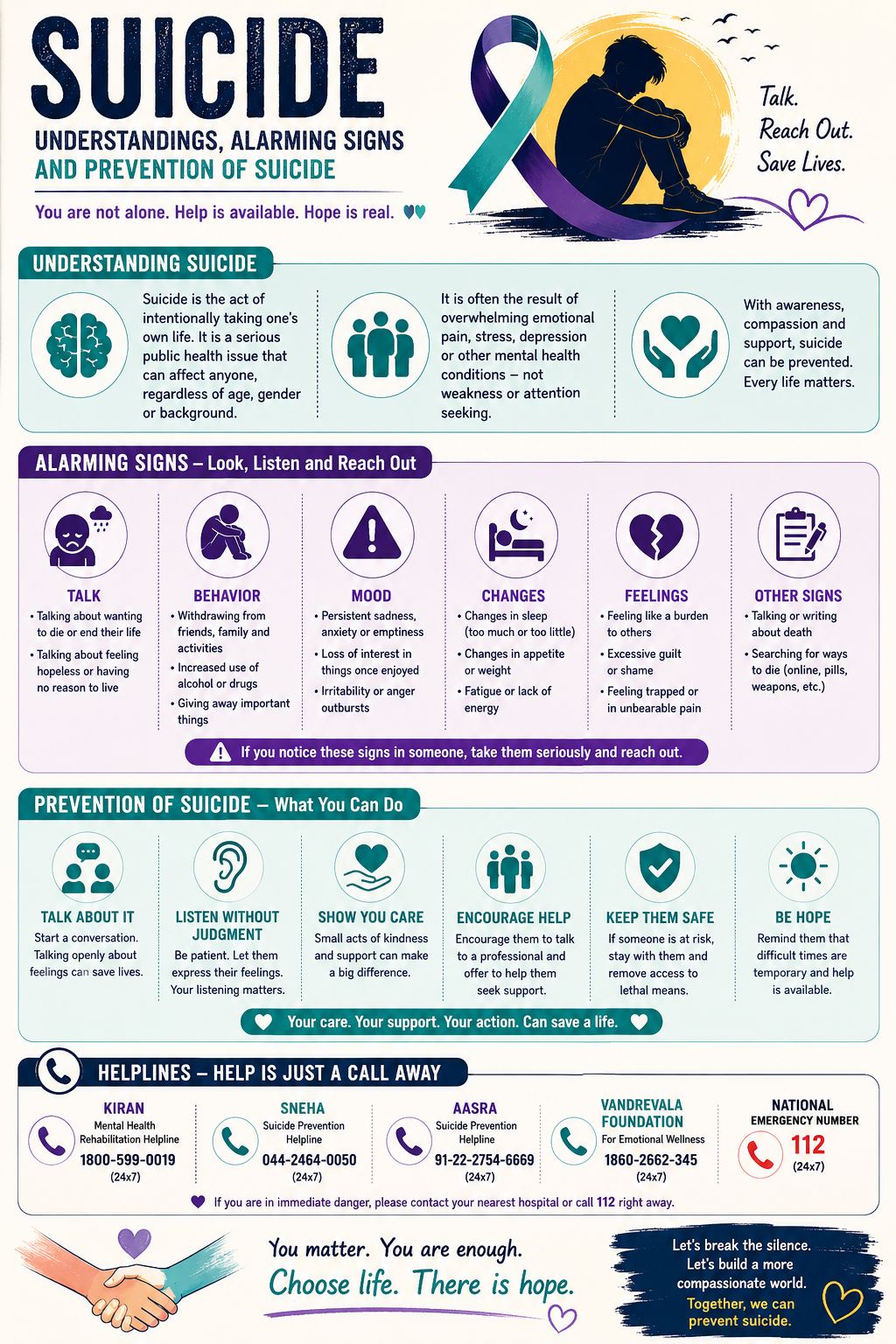
Identifying Key Risk Factors
Risk factors are characteristics or conditions that increase the likelihood that someone may consider or attempt suicide. While they do not cause suicide directly, they contribute to a person’s vulnerability.
- Mental Health Conditions: Depression, bipolar disorder, schizophrenia, and anxiety disorders are significant contributors.
- Previous Attempts: A history of self-harm or prior suicide attempts is one of the strongest predictors of future risk.
- Socio-Economic Stress: Financial loss, unemployment, or legal problems can create a sense of hopelessness.
- Chronic Pain or Illness: Dealing with long-term physical health struggles can severely impact mental well-being.
- Isolation: Lack of social support or feelings of being a burden to others.
- Access to Lethal Means: Easy access to medications, firearms, or other dangerous items.
Recognizing Warning Signs
Warning signs are immediate indicators that someone may be in acute danger. If you notice these behaviors, seek help immediately:
- Talking about wanting to die or kill oneself.
- Expressing feelings of hopelessness or having no reason to live.
- Withdrawing from friends, family, and society.
- Giving away prized possessions or making a will unexpectedly.
- Sudden, unexplained mood swings—sometimes appearing unusually calm after a period of deep depression.
Strategies for Prevention
Prevention starts with open communication and reducing the stigma surrounding mental health.
- Ask Directly: Research shows that asking someone “Are you thinking about suicide?” does not “put the idea in their head.” Instead, it often provides relief and an opening for help.
- Listen Without Judgment: Let the person talk without interrupting or offering “quick fixes.” Validation of their pain is crucial.
- Create a Safety Plan: Work with a professional to identify triggers and list contact numbers for support.
- Limit Access: Safely store or remove items that could be used for self-harm.
- Professional Intervention: Encourage and assist the individual in connecting with a psychiatrist or therapist.
What NOT TO DO
When someone is in crisis, certain reactions can inadvertently increase their distress or sense of isolation. Avoid the following:
- Don’t Act Shocked: Reacting with horror or extreme shock can make the person feel like they have done something wrong or “crazy,” causing them to shut down.
- Don’t Preach or Lecture: Avoid saying things like “You have so much to live for” or “Think about how this will hurt your family.” This can increase feelings of guilt and shame.
- Don’t Promise Confidentiality: Never promise to keep a suicide threat a secret. Safety must come first, and you may need to involve professionals or family members to save a life.
- Don’t Leave Them Alone: If someone is in immediate danger, do not leave them by themselves until help arrives or they are in a safe clinical setting.
- Don’t Minimize Their Pain: Avoid dismissive comments like “It’s not that bad” or “You’re just having a bad day.” To the person in crisis, the pain is very real and overwhelming.
Emergency Suicide Prevention Helpline Numbers
If you or someone you know is in distress, please reach out to these professional services immediately. You are not alone.
India Helplines:
- Kiran (National Helpline): 1800-599-0019 (24/7, Multiple languages)
- Aasra: +91-9820466726 (24/7)
- Vandrevala Foundation: 9999666555 (24/7)
- iCall (TISS): 9152987821 (Mon-Sat, 10 AM – 8 PM)
International Helplines:
- USA: 988 (Suicide & Crisis Lifeline)
- UK: 111 (NHS) or 0800 689 5652 (National Suicide Prevention Helpline UK)
- Canada: 9-8-8 (Suicide Crisis Helpline)
- Australia: 13 11 14 (Lifeline)
Disclaimer: This post is for educational purposes. In case of an active emergency, please contact your local emergency services or visit the nearest psychiatric emergency room.