Book Appointment Now
Depression in Women Mumbai: Why It’s Ignored | Dr. Pavan Sonar

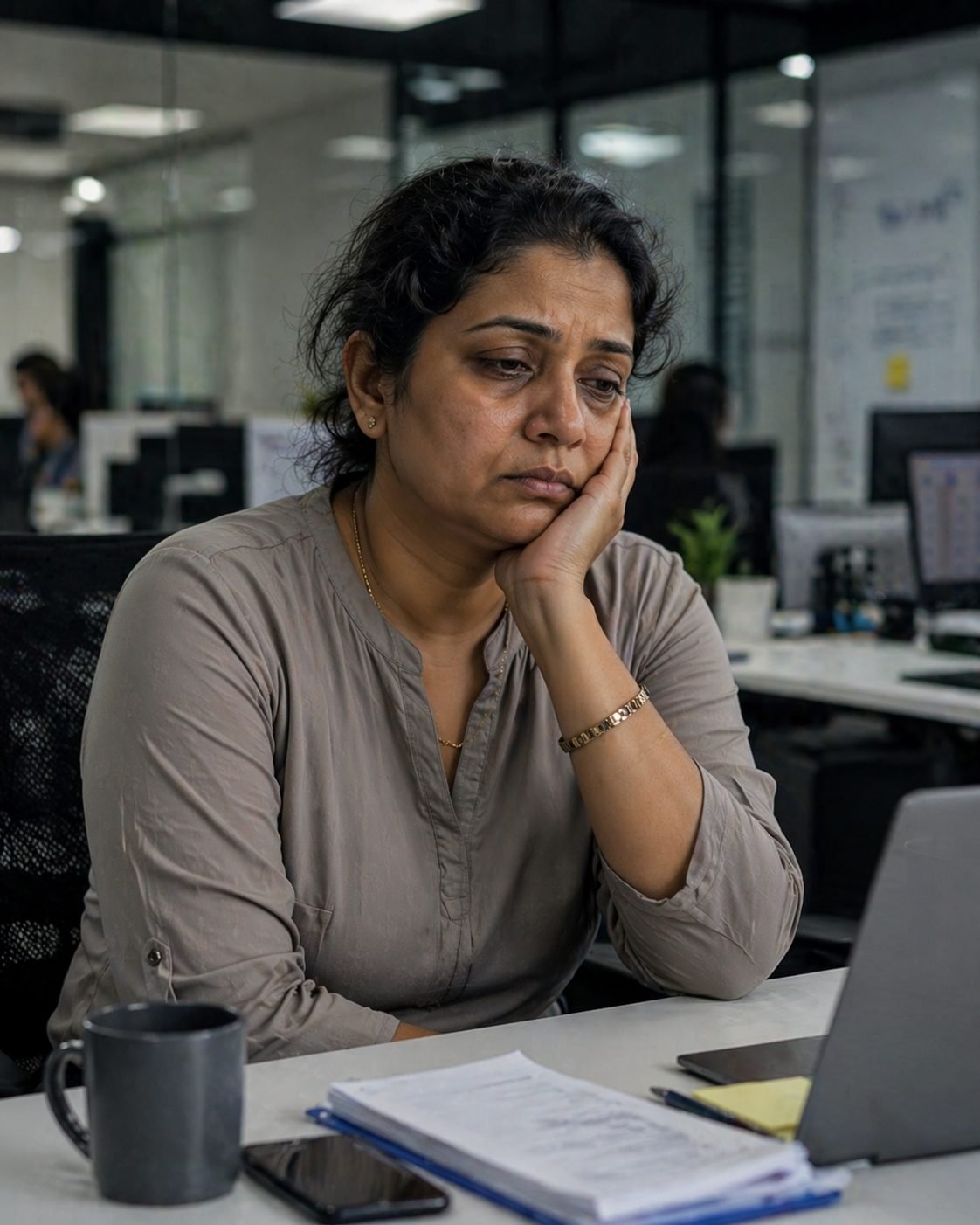
Depression in women is significantly more prevalent than in men — yet it is also more frequently dismissed, minimised, or misattributed to hormones, life circumstances, or personality. In Mumbai, where women balance demanding careers, family responsibilities, and social expectations with remarkable energy, depression is often invisible — masked behind productivity, self-sacrifice, and the cultural pressure to “manage everything.” Dr. Pavan Sonar, a psychiatrist in Mumbai, addresses why depression in women is so frequently ignored and what can be done about it.
Why Depression Is More Common in Women
Depression is approximately twice as common in women as in men across all cultures and countries where this has been studied. This disparity begins at puberty (before puberty, rates are similar) and continues through reproductive years. Multiple factors contribute: hormonal fluctuations (estrogen and progesterone affect serotonin and other neurotransmitter systems central to mood regulation); higher rates of childhood trauma and sexual abuse in women; specific life stressors including pregnancy, postpartum period, infertility, and menopause; greater rates of internalising problems (turning distress inward rather than outward through anger); and the cumulative psychological burden of gender-based discrimination, caregiving responsibility, and social role expectations.
How Depression Presents Differently in Women
Women’s depression can look different from the “classic” depressive presentation taught in medical training (which was historically derived from studies predominantly including men). Women with depression more commonly experience: atypical features including overeating, oversleeping, and extreme sensitivity to rejection; somatic complaints (headaches, chronic pain, digestive problems) that bring them to general physicians rather than psychiatrists; more prominent anxiety alongside depression; seasonal pattern depression; and greater willingness to discuss emotions — which can paradoxically lead to dismissal as “just being emotional.” Women also have higher rates of postpartum depression, premenstrual dysphoric disorder (PMDD), and perimenopausal depression — hormonal transition states that profoundly affect mood.
Why Mumbai Women’s Depression Is Frequently Dismissed
Several factors specific to Mumbai’s cultural and social context contribute to women’s depression being ignored or minimised:
- “She’s just emotional/hormonal”: Dismissing a woman’s persistent distress as normal emotional variability prevents accurate assessment.
- Self-sacrifice as virtue: Mumbai’s working women and homemakers alike are often conditioned to put everyone else’s needs first. Admitting to personal suffering feels selfish, weak, or a sign of inadequacy.
- Family stigma: In many Mumbai families, a woman’s mental health consultation reflects on the family’s image — deterring women from seeking help without family awareness or approval.
- Normalisation of overload: When all working mothers are exhausted and struggling, chronic exhaustion and joylessness are normalised rather than recognised as symptoms of depression.
- Postpartum misidentification: Postpartum depression is systematically confused with “normal” new mother adjustment by family members who attribute symptoms to tiredness from childcare.
For comprehensive information on depression treatment in Mumbai, visit Dr. Sonar’s depression treatment page. Anxiety often accompanies women’s depression — the anxiety treatment page provides additional information.
Depression Across Women’s Life Stages
Premenstrual Dysphoric Disorder (PMDD)
PMDD is a severe form of premenstrual syndrome (PMS) involving significant mood symptoms — depression, anxiety, irritability, and emotional lability — in the luteal phase of the menstrual cycle. It affects approximately 3–8% of women and responds well to treatment with SSRIs or hormonal management under psychiatric guidance.
Postpartum Depression
Postpartum depression (PPD) affects up to 1 in 7 new mothers and emerges in the first weeks to months after delivery. It is distinct from the temporary “baby blues” (which resolves within 2 weeks) and requires active treatment. Untreated PPD has significant consequences for maternal-infant bonding, infant development, and the mother’s long-term mental health. PPD is one of the most commonly missed diagnoses in Mumbai’s healthcare system.
Perimenopausal Depression
The menopausal transition is associated with significantly elevated risk of depression — even in women with no previous history of depression. The hormonal fluctuations of perimenopause directly affect serotonergic neurotransmission. Depression in perimenopausal and postmenopausal women often goes unrecognised when symptoms are attributed entirely to hormonal changes rather than identified as a treatable depressive episode.
Frequently Asked Questions
Is it safe to take antidepressants while pregnant or breastfeeding?
This is a nuanced clinical question requiring individualised assessment. Some antidepressants have a better safety profile in pregnancy than others, and the risk of untreated depression during pregnancy is itself significant. Dr. Sonar provides careful, evidence-based guidance on medication decisions during pregnancy and lactation.
How do I support a woman in my family who may be depressed?
Take her experiences seriously. Do not attribute persistent low mood to hormones, personality, or life circumstances without professional assessment. Offer to accompany her to a consultation. Reduce the caregiving burden where possible. Reassure her that seeking help is not a sign of weakness. Dr. Sonar welcomes family involvement in understanding and supporting women with depression.
Book a Consultation in Mumbai
Women’s depression in Mumbai deserves to be seen, heard, and treated. Dr. Pavan Sonar — MBBS, DNB, DPM — provides expert, sensitive, evidence-based depression care for women at all life stages. Recognised among Mumbai’s Best Doctors (Outlook Best Doctors Award).
Call +91 85918 40141 to book your confidential consultation. Online appointments available.