Book Appointment Now

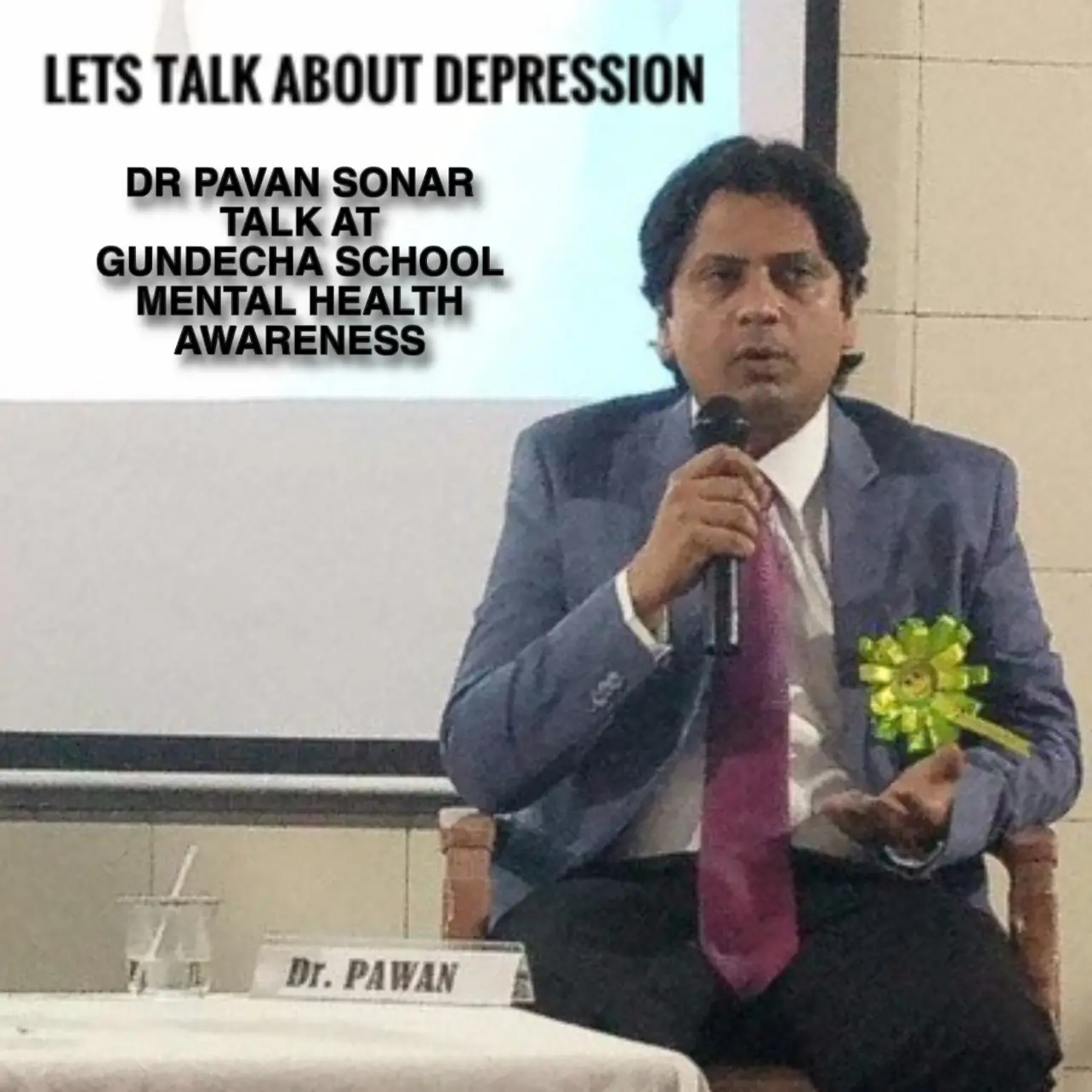
De-stigmatization of Mental Health Issues and Treatments is a Must for Suicide Prevention in Mumbai & Maharashtra

In my years of practice as a psychiatrist in Mumbai, I’ve lost count of how many times I’ve heard some version of the same story: someone who suffered quietly for months, sometimes years, before they ever considered walking into a clinic. Not because help wasn’t available, but because they were more afraid of being called weak, or mad, than they were of their own pain. It’s a pattern I see over and over, in Mumbai and across Maharashtra, and it’s exactly why I believe ending the stigma around mental illness isn’t just a nice idea. It’s a matter of life and death.
Just How Big Is This Problem, Really?
Maharashtra shows up again and again in national data as one of the states with the highest number of reported suicides, and Mumbai, with all its ambition and hustle, adds heavily to that count. Talk to any therapist in this city and you’ll hear the same struggles repeating: students crushed under academic pressure, young professionals drowning in EMIs and long work hours, marriages fraying under financial or emotional strain, depression and anxiety that nobody names out loud. What ties almost all of these stories together is delay. People wait, and wait, until the pain becomes unbearable before they finally, reluctantly, ask for help.
It Isn’t the Treatment We’re Missing, It’s the Courage to Ask
Here’s what frustrates me most as a doctor: we actually have good treatments. Depression, anxiety, and bipolar disorder, the conditions that so often sit quietly behind suicidal thoughts, respond well to therapy and medication when caught early. The real barrier isn’t medicine, it’s fear. Fear of being labelled unstable, fear of what it might do to a marriage proposal or a career, fear of becoming the subject of gossip among neighbours and relatives. So people simply don’t come in, and by the time they finally do, what could have been a straightforward course of treatment has turned into a genuine crisis.
Families, Offices, and the Stories We Tell
So much of this stigma starts at home, usually without anyone meaning harm. A teenager’s sadness gets dismissed as laziness. A husband’s withdrawal gets read as sulking rather than depression. Phrases like ‘snap out of it’ are often said with love, but they close doors instead of opening them. Workplaces aren’t much better, Mumbai’s corporate culture rarely leaves room for someone to admit they’re burnt out without worrying it will be held against them. And when the media covers a suicide in graphic detail instead of talking about the support that existed, or should have existed, it does more harm than it realizes. None of this comes from malice, but all of it adds up.
What I See in My Own Clinic
Some of the most damaging voices I encounter in my practice aren’t strangers, they’re the people closest to my patients. I’ve had patients told by relatives to simply think positive or stay grateful, as if a clinical depression could be argued away with an attitude adjustment, the way you might dismiss a bad mood. I’ve watched people take health advice from online influencers with no clinical training over their own psychiatrist, because a confident video felt more convincing than a proper diagnosis. Pill shaming is one of the cruellest things I see, patients told that needing an antidepressant means they’re broken, or that real strength means suffering through it without medication, as though anyone would say the same to a person managing diabetes or high blood pressure. And painfully, this ignorance isn’t limited to family and social media. I’ve had patients shamed for their diagnosis, or quietly advised to stop their medication, by doctors from other specialities who simply were never trained to understand mental illness as a real, treatable medical condition. Every one of these moments pushes a person further from the help they need, and closer to silence.
Changing the Conversation, One Word at a Time
I’ve noticed that the words we choose matter more than most people realize. Saying someone is going through depression, instead of calling them weak, changes the entire tone of a conversation, and often, how that person feels about themselves. I’d love to see schools and colleges across Maharashtra teaching basic mental health literacy the way they teach first aid, so a teenager can recognize the signs in a friend, or in themselves. Community leaders, religious figures, and neighbourhood doctors can all help make a visit to a psychiatrist feel as unremarkable as a visit to a physician for a fever.
What This Really Comes Down To
Preventing suicide isn’t only the job of psychiatrists and helplines, though we’ll always do our part. It takes families willing to listen without jumping to judgment, workplaces that treat mental health as seriously as physical health, and a culture that stops treating therapy like a last resort. If something in this article feels a little too familiar, please don’t wait the way so many people do. Asking for help isn’t weakness, it’s one of the bravest things a person can do for themselves. And if you’re in Mumbai and need someone to talk to, support is closer than it feels, and it’s always worth reaching out.